 by
by Artificial intelligence is no longer a side experiment tucked inside innovation labs. In 2026, AI is embedded in customer experiences, supply chains, finance desks, and product roadmaps. Leaders who treat AI as a one-time project are already falling behind competitors who treat it as an operating capability. The second half of 2026 will reward organizations that move from pilots to production, from generic models to domain-specific intelligence, and from hype to measurable outcomes. This guide breaks down the ten AI trends 2026 that matter most for executives, product teams, and data leaders—and what to do about them now. Whether you are planning budgets, hiring, or product bets, these AI trends 2026 should shape your roadmap for the rest of the year.
1. Agentic AI Moves From Demo to Daily Workflow

Agentic AI systems can plan, use tools, and complete multi-step tasks with minimal human intervention. Among the most important AI trends 2026, agentic workflows are moving from impressive demos to reliable production use in sales ops, IT support, procurement, and research. Teams are wiring agents into CRMs, ticketing systems, and internal knowledge bases so work gets done—not just suggested.
The winning pattern is narrow scope plus strong guardrails: define allowed actions, require human approval for high-risk steps, and log every decision. Organizations that operationalize agentic AI early will compress cycle times and free specialists for judgment-heavy work.
2. Multimodal Models Become the Default Interface

Text-only chat is giving way to models that understand images, audio, video, and structured data in one conversation. Product teams use multimodal AI for visual inspection, document understanding, voice-driven analytics, and richer customer support.
For enterprises, the opportunity is faster intake: a photo of a damaged asset, a scanned contract, or a dashboard screenshot can all become actionable input. Brands that redesign UX around multimodal interaction will feel more intuitive and reduce friction for non-technical users.
3. Small Language Models Win on Cost and Control

Not every use case needs the largest frontier model. Fine-tuned small language models (SLMs) deliver lower latency, predictable cost, and easier deployment on private infrastructure. In regulated industries, SLMs are often the practical path to production.
The best teams match model size to task complexity: SLMs for classification, extraction, and templated generation; larger models for open-ended reasoning. This tiered approach keeps AI spend aligned with business value instead of vanity metrics.
4. AI-Native Applications Replace Bolt-On Features

Adding a chatbot sidebar is no longer enough. AI-native applications rebuild core workflows around prediction, generation, and autonomous assistance. Think copilots embedded in ERP, design tools that iterate with you, and analytics platforms that explain anomalies in plain language.
Product leaders should ask whether AI changes the job to be done—not just the UI. Companies that re-architect around AI will deliver experiences competitors cannot match by wrapping legacy screens with generic prompts.
5. Retrieval-Augmented Generation (RAG) Gets Enterprise-Grade

RAG connects large language models to fresh, authoritative company data. In 2026, mature implementations add hybrid search, citation, access controls, and continuous evaluation so answers stay accurate as content changes.
Generic RAG prototypes fail when knowledge is siloed or permissions are ignored. Winning programs treat the knowledge layer as a product: curated sources, metadata, freshness SLAs, and feedback loops from users who flag bad answers.
6. AI Governance and Compliance Become Board-Level Priorities

Regulators and customers expect transparency about how AI is built, tested, and monitored. Model cards, bias testing, incident response, and vendor due diligence are moving from policy documents to operational checklists.
Organizations that institutionalize AI governance can ship faster because teams know the rules upfront. Those without clear accountability risk stalled projects, audit findings, and reputational damage when models behave unexpectedly in production.
7. Synthetic Data Accelerates Training and Simulation

Real-world data is often scarce, sensitive, or biased. Synthetic data generation helps teams train models, stress-test scenarios, and augment datasets without exposing personal information. Use cases span fraud detection, robotics, healthcare research, and rare-event planning.
The key is validation: synthetic data must preserve the statistical patterns that matter for the task. When done well, it shortens time-to-model and improves coverage of edge cases that live data rarely captures.
8. Edge AI Powers Real-Time Decisions
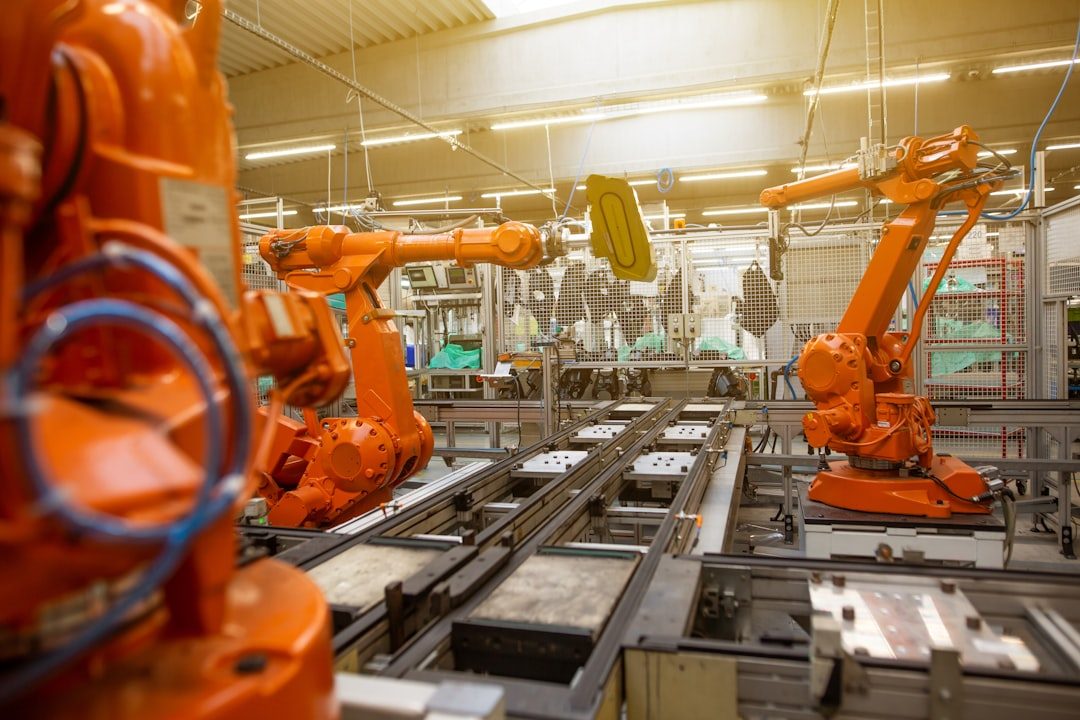
Running models on devices and local gateways reduces latency, bandwidth cost, and privacy risk. Edge AI is expanding in manufacturing quality control, retail analytics, autonomous systems, and field service.
Architects should decide what runs at the edge versus in the cloud based on latency budgets, connectivity, and update mechanisms. Hybrid designs—edge inference with cloud training—are becoming the standard pattern for operational AI at scale.
9. AI-Powered Personalization at Scale

Customers expect experiences that adapt in the moment: relevant offers, support that remembers context, and content tuned to intent. AI makes one-to-one personalization economical when fed clean behavioral signals and clear consent frameworks.
Marketing and product teams should connect personalization to measurable outcomes—conversion, retention, satisfaction—not vanity engagement. Transparent controls and opt-outs build trust and keep programs compliant with evolving privacy expectations.
10. Human-in-the-Loop Becomes a Design Requirement

Fully autonomous systems remain rare in high-stakes domains. Human-in-the-loop design keeps people accountable for approvals, exceptions, and ethical judgment. The best AI products make human review fast—not an afterthought buried in admin screens.
Training, change management, and clear escalation paths determine whether AI augmentation actually sticks. Organizations that invest in workforce readiness alongside model deployment see higher adoption and fewer rollback events.
Key Takeaways
The rest of 2026 will not be defined by who experiments with AI, but by who converts experiments into durable capabilities. Agentic workflows, multimodal interfaces, right-sized models, and enterprise-grade RAG are moving from trend slides to production roadmaps. Governance, synthetic data, edge deployment, personalization, and human oversight are the guardrails that make scale sustainable. Leaders who align these AI trends 2026 with clear business outcomes—cost, speed, revenue, and risk reduction—will outperform peers still searching for a generic AI strategy.
